Gathering the Green Wisdom of the High Julian Alps

Step into sunlit meadows and conifer-shadowed ridgelines as we explore Herbal Foraging and Wildcrafting: Alpine Apothecary Traditions of the Julian Alps. From arnica-bright slopes to gentian-rooted screes, we follow careful footsteps, respectful harvests, and time-tested remedies shaped by altitude, weather, and ancestry, inviting you to learn, ask questions, and share your own field notes as we journey together into living mountain medicine. Subscribe for seasonal alerts and field guides.

Reading the Mountain’s Calendar

Seasons climb the Julian Alps like slow tides, opening and closing gathering windows from valley orchards to limestone peaks. Understanding bloom, seed, and resin times across altitudes protects plant communities and ensures potent remedies. Join us in tracking signs, asking elders, and learning to wait for the right, respectful moment.

Safety, Ethics, and Respect on the Trail

High meadows invite enthusiasm, yet wisdom moves slowly. Learn poisonous lookalikes, verify with multiple keys, and leave plenty for pollinators and wildlife. Follow local regulations, honor private land, and harvest sparingly from vigorous stands. Your choices today determine whether tomorrow still offers generous, healing abundance.

Confident Identification Without Shortcuts

Photographs seduce, but plants change with altitude, age, and light. Confirm leaf arrangement, scent, habitat, and bloom structure; cross-check Latin names; consult regional floras. When uncertain, observe and sketch instead of cutting. Confidence built patiently prevents harm, preserves ecosystems, and keeps your medicine trustworthy.
Harvest Only What the Mountain Can Spare

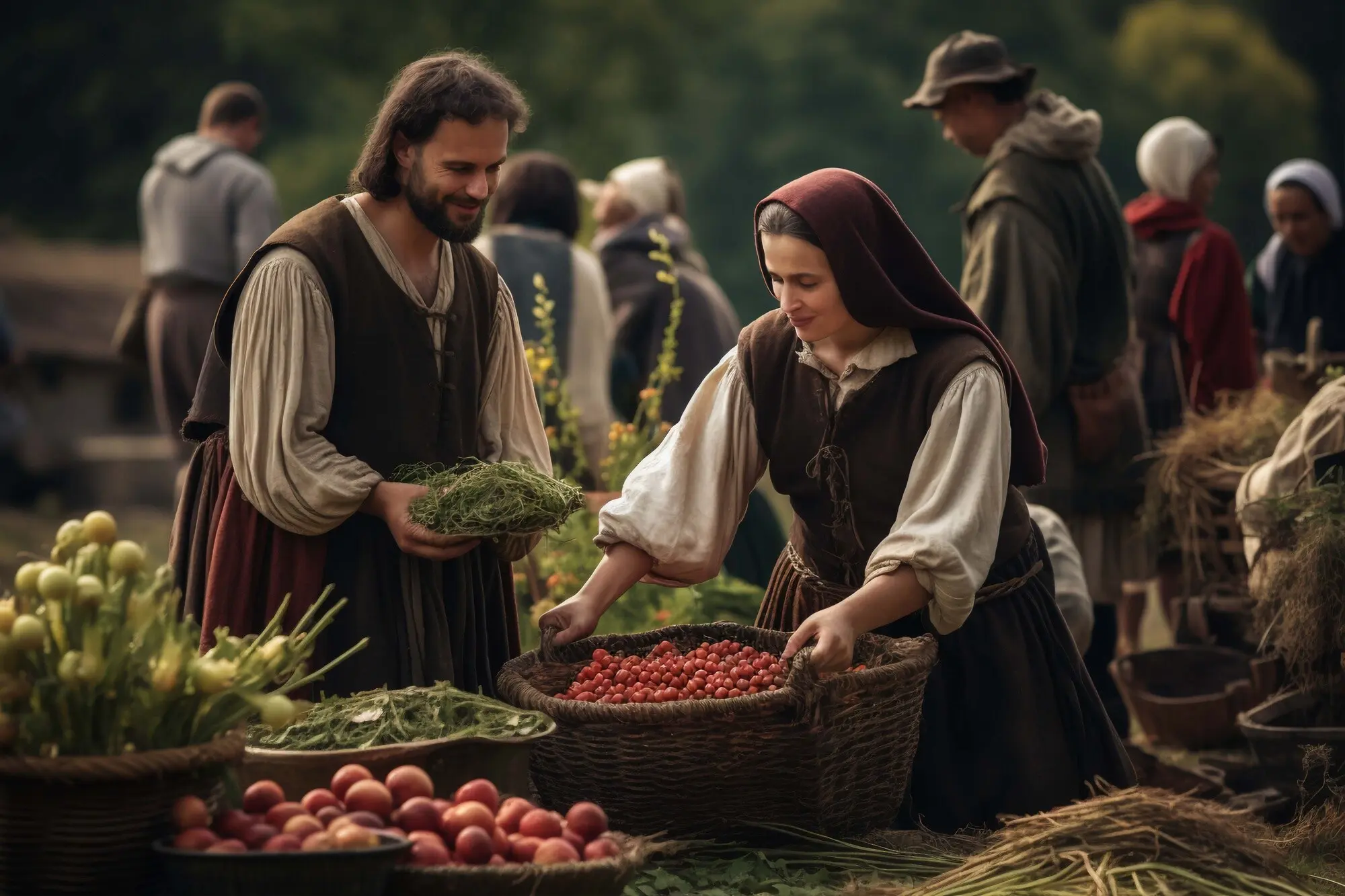
Take less than a tenth from abundant patches, never from isolated plants. Prefer aerial parts over roots unless restoration is planned. Rotate sites yearly, scatter seeds where you step, and close gathering circles with gratitude so landscapes recover stronger than you found them.
Boundaries, Permissions, and Shared Paths

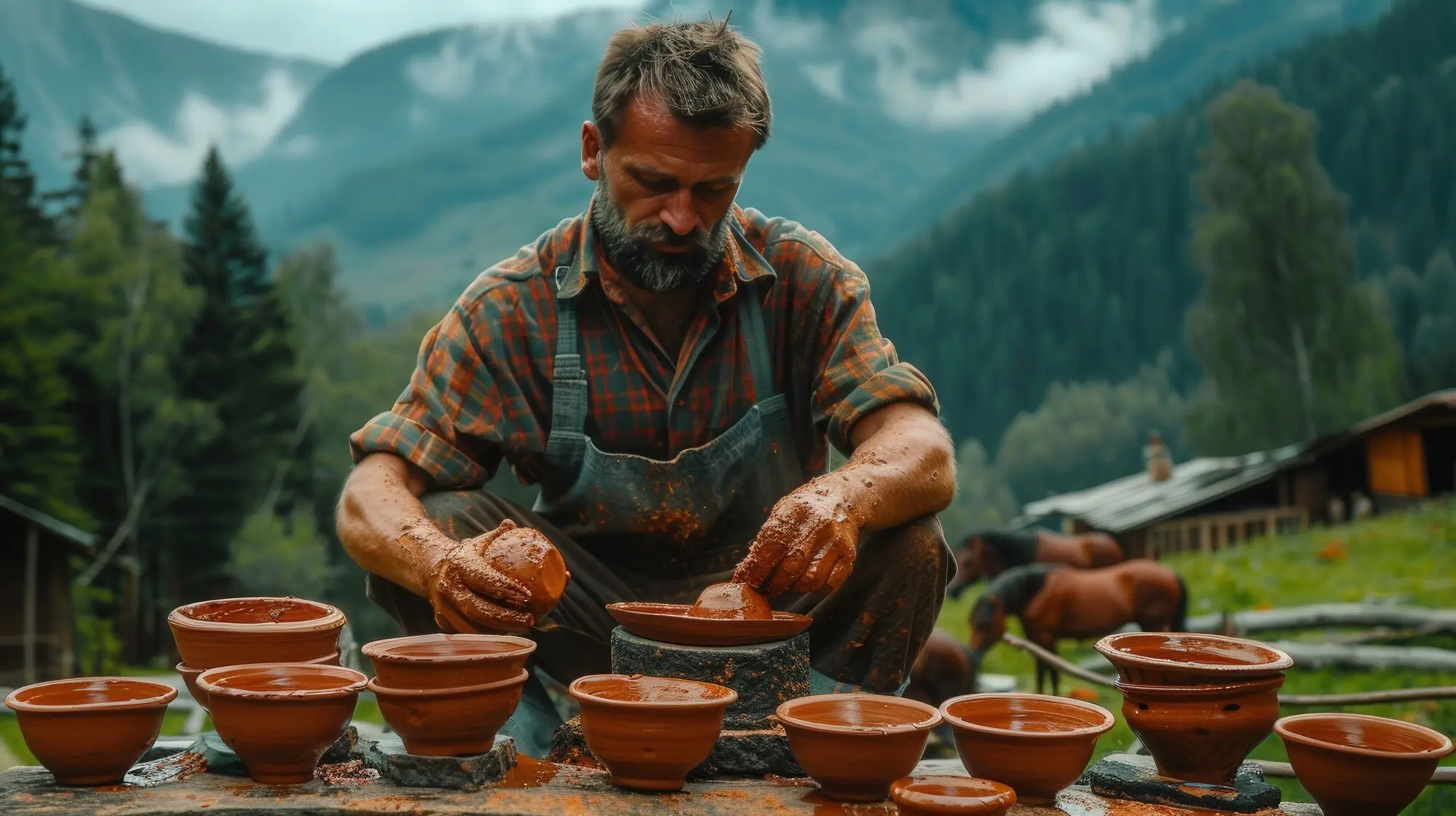
Alpine pastures are workplaces for shepherds and fragile homes for ground-nesting birds. Seek permission, respect fences, and yield to livestock. Share trails with climbers and botanists kindly. When you communicate plans and intentions, you protect relationships that keep traditional practices welcomed rather than restricted.


Arnica: Sunbursts for Sore Journeys

Bright flower heads become external oils and salves that skiers and shepherds cherish. Internal use is unsafe; honor the plant by crafting carefully and applying topically. Choose thriving patches away from eroded paths, and dry blossoms gently to protect their unmistakable alpine scent.

St. John’s Wort and Meadow Light

Sun-drunk petals stain oil a ruby red rich with hypericin. Harvest midday from happy, unmanaged meadows, then avoid combining with certain medicines and bright sun exposure. Share cautions openly, because good herbal care includes boundaries that let beauty heal without unintended consequences.

Juniper, Dwarf Pine, and the Breath of Ridgewinds

Sharp berries take years to ripen; taste only a few and harvest sparingly from healthy shrubs. Steam needles gently for chest rubs or infuse in honey for winter teas. Resin-scented preparations travel far, so pack lightly and label each jar with place.

Crafting Remedies at Altitude

Simple methods shine when weather shifts quickly. Small-batch tinctures, infused oils, balms, and vinegars capture freshness without overwhelming your pack. Prioritize cleanliness, gentle heat, and patient macerations. Field improvisations—like solar infusions near a hut—can work beautifully when you balance practicality with reverence for delicate aromatics.

Tinctures That Hold the Sky

Use high-proof alcohol for resinous allies and gentler spirits for flowers. Chop plant material thoughtfully, then label jars with date, altitude, and weather notes. Weeks later, strain slowly, breathe the hillside again, and record how aroma and color evolved into steady, repeatable medicine.

Infused Oils, Salves, and Balms for Trail-Worn Skin

Dry blossoms first to prevent spoilage, then infuse with patience and sunlight’s steadiness. Combine strained oil with beeswax, testing texture on knuckles after a windy ridge. Pack tins in cloth to avoid rattling, and gift extras to hut keepers who helped your route.

Vinegars, Syrups, and Glycerites for Gentle Daily Support

Apple cider vinegar brightens mineral notes from yarrow and nettle, while spruce tips sing in syrup for winter throats. Vegetable glycerin invites alcohol-free preparations. Use sterilized bottles, patient steeping, and descriptive labels so family remembers origins, doses, and the kindness behind every spoonful.

Field Gear, Maps, and Notebooks

Light packs protect knees on scree and leave hands free for careful cuts. Choose breathable bags over plastic, a folding knife, pruners, and a small press. Carry detailed maps, offline GPS, and pencils that write in drizzle. Organized notes turn wandering into wisdom you can share.
Favor wool layers that still warm when wet, and boots with edging confidence on limestone. Add tape, twine, and a needle kit. Paper bags protect aromas better than plastic. When gear lasts many seasons, your attention returns to plants, not broken zippers.
Mark south-facing gravel fans where thyme thrives, north gullies for mosses, and high saddles where juniper leans. Combine satellite imagery with local folklore to predict surprises. Revisiting points through seasons creates trustworthy knowledge, reduces mileage, and lowers pressure on any single beloved place.

Kitchen of the High Meadows

Wild harvests meet pots and plates where patience becomes flavor. Think bright pestos of wild garlic, spruce tip cordials, and bitters that help heavy meals settle after long climbs. Cook carefully, label jars, invite neighbors, and let shared meals carry stories further than any footprint.
Karoxaritavotariteli
Privacy Overview

This website uses cookies so that we can provide you with the best user experience possible. Cookie information is stored in your browser and performs functions such as recognising you when you return to our website and helping our team to understand which sections of the website you find most interesting and useful.