Car‑Free Adventures Across the Julian Alps

Let’s explore slow travel itineraries built around car‑free routes and welcoming village stays across the Julian Alps. We will link lakes, high meadows, and river valleys using trains, buses, bicycles, and confident footsteps, then rest in family guesthouses and farms where stories pour like tea. Expect unhurried mornings, conversations with cheesemakers, and paths that reward patience. Practical logistics blend with lived moments, revealing how gentler movement brightens colors, softens distances, and leaves a lighter footprint while deepening your connection to these friendly, mountain‑ringed communities.

Arriving Without a Car: Trains, Buses, and Scenic Links
Reaching the Julian Alps without driving is not only possible, it is deeply satisfying. Steel rails trace rivers, buses climb forested valleys, and short village walks connect stations to cozy porches and steaming bowls of soup. You will discover timetables that feel human, station cafés that still remember your face, and simple transfers that protect your energy for trails and lakes. The journey becomes an overture, setting a calm rhythm before footsteps meet pine needles and cowbells announce your first evening’s rest.
From Ljubljana, frequent trains drift along the Sava toward Jesenice, with branches to Lesce‑Bled and Bohinjska Bistrica, tracing water, limestone, and soft meadows. Sit by the window, watch villages appear like careful stitches, and let the journey slow your breathing. At small stations, platforms meet bus stops within a few strides, so your connection feels graceful. The railway’s historic tunnels and stonework frame an approach that already belongs to the mountains, making arrival feel earned rather than consumed.
Seasonal shuttle networks make car‑free roaming effortless, linking Bohinj’s lake hamlets, the Vršič Pass, the Soča trailheads, and Kranjska Gora’s bike paths. Plan a loose outline, then let bus frequencies guide spontaneity, swapping long waits for short scenic pauses. Many routes accept contactless payment or simple cash, with clear stop names posted at crossroads. Where services thin, shared taxis and village drivers step in kindly, proving that hospitality, not horsepower, carries you the last beautiful mile.
Traveling without a car rewards light, layered packing: quick‑dry fabrics, a compact rain shell, and shoes happy on cobbles and forest duff. A soft tote for markets, a collapsible bottle, and a tiny laundry kit extend independence. Keep chargers tidy, train tickets accessible, and a notebook ready for names of kind strangers. With weight trimmed, transfers become unhurried, stairways forgiving, and every detour less daunting, opening space for serendipity as practical as it is poetic.

Lakeside Calm in Bohinj

Settle in Stara Fužina or Ribčev Laz, where the lake throws silver light onto stone bridges and the scent of hay sweetens dusk. Hosts point you toward the Mostnica Gorge, share picnic spots, and teach the difference between youthful cheeses and gently matured wheels. Without a car, paths thread right from the doorway, and the bus stop waits beside a linden tree. Evenings reward your restraint with stars reflected across water so still it seems to breathe with you.

Porches of Podkoren and Kranjska Gora
Cycle lanes lace the valley, drawing you from wooden porches in Podkoren to cafés humming in Kranjska Gora, where pastries glimmer behind glass and mountain maps curl at the corners. From here, buses rise toward the Vršič Pass or slip toward Italy, yet village calm endures. Elder dogwood shades benches, and children trade laughter for marbles. You need nothing louder than a bell on a rented bike, and every ride ends where soup tastes like patience.

Honey Streets of Radovljica

Radovljica’s old town gathers beekeeping traditions, gingerbread craft, and courtyard concerts into lanes so pretty they feel handmade. Choose a guesthouse behind painted shutters and listen for choir practice carried on evening air. After rail links from Ljubljana or Jesenice, it becomes your gentle base for Bled visits without crowds. Car‑free choices reward you with extra conversations: a beekeeper explaining frames, a baker gifting mis‑shaped hearts, and a violinist tuning inside a room that smells like varnish and stories.

Itineraries from Three Days to Ten

Unrushed schedules bloom when shaped around footsteps and public transport. Short stays taste the lake light and forest hush; week‑long arcs braid river valleys and high passes; longer loops ride historic rails and return in a circle of memory. Build days around generous breakfasts, midday swims, slow museums, and twilight viewpoints reachable without headlights. These outlines favor recovery and savoring, helping you move gently through altitude, weather, and appetite, while still witnessing the region’s variety with time to truly belong.

A Gentle Long Weekend around Bled and Bohinj

Day one: train to Lesce‑Bled, stroll the lakeshore, row a wooden boat, and taste a slice of crisp‑topped cream cake as swans practice elegance. Day two: bus to Bohinj, walk the Mostnica Gorge, then swim where mountains hold their breath. Day three: cable car or trail toward Vogel for broad views, picnic near wildflowers, and ride back in time for a choir echoing across church stones. Each transfer is short, each evening unhurried, each memory freshly folded.

A Seven‑Night Arc from Kranjska Gora to Kobarid

Begin on bike paths through Kranjska Gora’s valley before a bus carries you over Vršič’s sculpted switchbacks, each hairpin unveiling new granite. Walk the Soča trail beside liquid emerald, cross hanging bridges, and sleep in Bovec where kayakers trade river tales. Continue to Kobarid for a moving museum, hillside chapels, and polenta comforting like a blanket. With careful timing, buses link every step, letting you weave days of riverside quiet and village warmth without a single engine of your own.

Ten Days on the Historic Bohinj Railway Loop

Trace a graceful circle using the early twentieth‑century line tunneling beneath cliffs and pines, connecting Jesenice with valleys that feel tucked safely in time. Pause in Bohinjska Bistrica for mountain‑air breakfasts, then drift toward Tolmin where river stones warm your palms. Continue to Kobarid and Most na Soči, watching carriages mirror the water’s green. Close the loop via a return through gorges and meadows to Radovljica. Each rail segment becomes a ribbon tying experiences into one considerate, unbroken bow.

Paths, Rivers, and Meadows at Walking Speed

On foot, the landscape introduces itself kindly: first the fragrance of needles, then the braid of birdsong, and finally the soft percussion of boots. Trails respect villages, and villages repay respect with fountains, bakeries, and shade. Footbridges invite you to cross slowly, reading the water’s grammar. Meadows exchange gossip with clouds. Each day, distances shrink while significance expands, reminding you that the Julian Alps prefer travelers who ask for permission with footsteps rather than demand shortcuts with metal and fuel.

Circling the Peaks on the Juliana Trail

This long, looping path necklaces the range with approachable stages that graze villages, lakes, and quiet forest saddles. You can sample a stage between breakfasts, link several with bus returns, or set aside a week for deeper immersion. Waymarks steer steadily, while luggage transfer options and welcoming inns remove urgency. Even partial walks teach the trail’s gentle philosophy: look for mushrooms after rain, share a greeting with every passerby, and let milestones arrive when the day is ready, not before.

Following the Emerald Soča

The river writes its own itinerary in changing shades of green, threading wooden bridges, polished boulders, and echoing gorges. Paths hover above rapids, then drop to pebble beaches where sandwiches become ceremonies. Historical plaques whisper about mountain front lines, balancing sorrow with resilience. Every bend gifts a new pool of quiet, and buses orbit the valley like patient chaperones. Without a car, you belong to the river’s tempo, learning that refreshment grows deeper when it is truly deserved by your pace.

High Pastures and Bell‑Touched Mornings

Above the forests, planinas spread like picnic blankets, their grass stitched by paths trodden since memory learned to walk. Wooden huts lean into sun and wind, and bells measure time in rings, not digits. Here, you might taste cheese born that morning, or refill a bottle from a spring that decides your day’s rhythm. Respect fences and animals, greet shepherds, and carry back down everything you carried up. The return to the valley tastes sweeter when gratitude rides your shoulders.

Eating Slowly: Tables, Markets, and Mountain Pantries
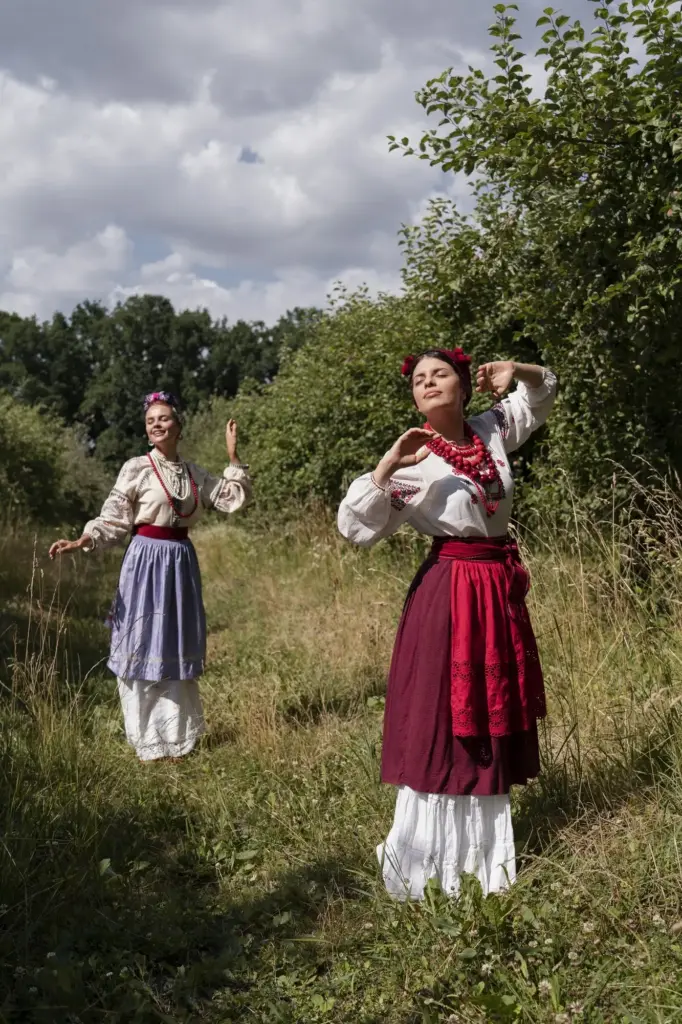
Meals here are maps you can taste, guiding you from field to stove to smile. Menus change with weather, shelves echo with jars from last summer, and cooks tell stories between ladles. Shopping becomes an introduction to neighbors, not a transaction. A warm kitchen after rain is church enough. By traveling car‑free, you meet food at walking speed, accepting seconds because the next bus is kindly distant. Appetite turns into gratitude, and gratitude returns as invitations you never expected.

Staying Sustainably: Guesthouses, Farms, and Huts
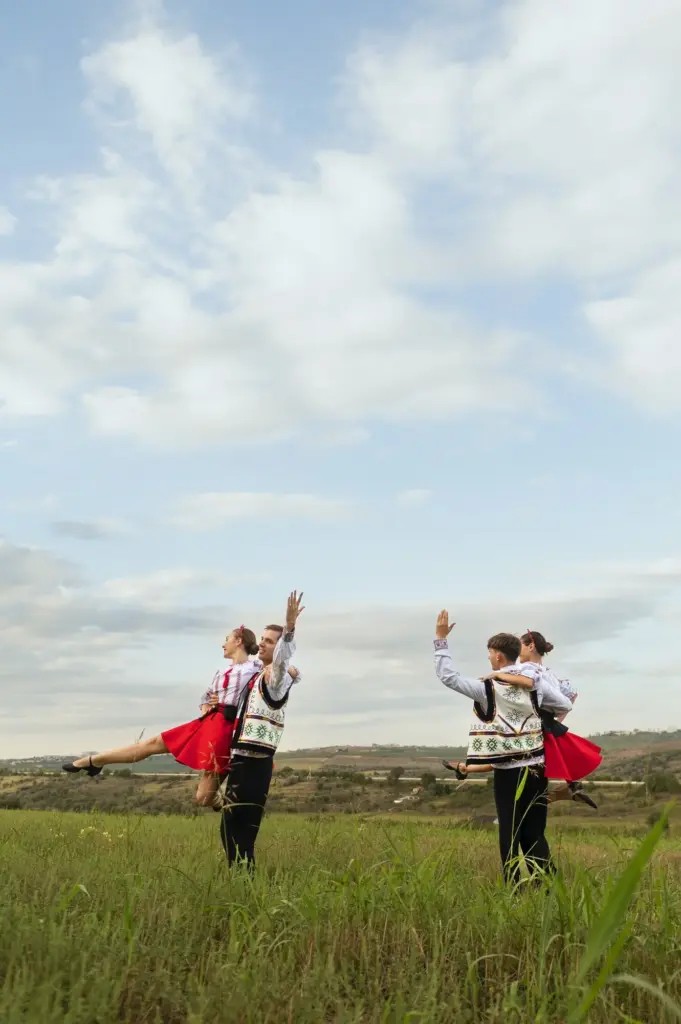
Where you sleep sculpts your days. Under sloped roofs, wooden beams remember storms; on farm porches, tea evaporates into evening; in mountain huts, beds gather sunrise in their blankets. Choosing places that champion local makers, reduce waste, and welcome walkers turns every night into advocacy. Hosts swap tips like friends, and departures feel like see‑you‑laters. Sustainability here is not policy jargon; it is the quiet clink of a glass bottle, a refillable flask, and a pledge kept with comfort intact.

Weather, Safety, and Respectful Travel

Mountains practice quick decisions, so flexibility becomes a superpower. Pack layers that forgive indecision, a rain shell that invites puddles, and the humility to choose valleys when thunder rewrites the schedule. Safety thrives on early starts, generous margins, and attention to the last bus home. Kindness extends to trails, doors, and thresholds. You leave no trace except gratitude, and accept that sometimes the best plan is tea while clouds hold a meeting. Preparedness, here, is simply another word for care.

Reading the Sky and Planning Flexibly

Mornings tell the truth: a mountain’s hat of cloud, the angle of light, the chorus of dripping eaves. Check local forecasts, ask innkeepers who can smell rain, and sketch a plan B that still feels like delight. Ridge walks become forest rambles; summits turn into gorges; everything remains worthwhile. Carry a small light, a map that cannot die, and snacks that keep negotiations friendly. Weather is not the enemy; hurry is. Move kindly and the sky often agrees.

Staying Safe without a Car

Note last departures before setting out, and let return times guide your distance. Share your outline with a host, bring a whistle and charged phone, and favor marked paths that respect cliffs and streams. If a lift appears from a neighborly van, accept only when comfortable and clear. Wayfinding signs are trustworthy companions; shortcuts rarely are. Car‑free travel sharpens situational awareness, replacing horsepower with judgment. That trade is generous, because awareness also amplifies birdsong, conversations, and the feeling of arriving well.

Honoring Place and People

This landscape rewards courtesy: greet passersby, step aside on narrow paths, and close gates as if a story depended on it. Dress modestly when entering churches, lean in to museum voices, and ask before photographing faces. Buy tickets happily, because stewardship costs work. Sort waste carefully, refill water at fountains, and let your curiosity carry a wallet that supports those who keep the doors open. Respect here is not performance; it is practice, repeated gently until it becomes instinct.

Your Voice on the Trail

Connection completes the journey. Notes in a guestbook become lanterns for the next traveler; comments shape better itineraries; shared tips shorten confusing transfers. Tell us where a bus driver saved your day, which bakery softened a storm, or how a village sunset reset your week. Subscribe for seasonal shuttle updates, rail changes, and new slow circuits. Reply with questions, corrections, and favorite porches. Together we map kindness, one careful mile and neighborly message at a time.
Karoxaritavotariteli
Privacy Overview

This website uses cookies so that we can provide you with the best user experience possible. Cookie information is stored in your browser and performs functions such as recognising you when you return to our website and helping our team to understand which sections of the website you find most interesting and useful.