
Where Peaks Meet the Plate
Today we explore Farm-to-Table Journeys: Seasonal Cuisine of the Julian Alps, tracing how mountain pastures, emerald rivers, and small family plots shape what appears on the table week by week. Expect crisp hay-milk cheeses, river-bright trout, wild greens, and comforting grains that follow the weather’s turn. Join the walk between barns, markets, and wood-fired kitchens, share your own alpine food memories in the comments, and subscribe for fresh field notes as the seasons change.
The Mountain Year in Four Courses
High ridgelines act like calendars here, cueing planting, grazing, foraging, and preserving in a choreography older than trail maps. Snowmelt unlocks wild herbs and first milk; midsummer brings berries, river fish, and picnic evenings; foggy autumns send cooks to cellars; deep winter rewards long, slow pots. Understanding this rhythm turns a meal into a landscape you can taste, revealing why menus change daily when the weather shifts even slightly.
People Behind the Flavors
{{SECTION_SUBTITLE}}

The Cheesemaker on Planina
At dawn, steam rises from the cauldron, and hay-milk turns slowly under a wooden ladle. He speaks of weather like family, recalling a July when storms raged and the curds needed extra tenderness. Wheels rest on spruce boards, tagged only with dates and hope. Taste his Tolminc later, and you hear bells, footsteps in wet grass, and the hush that follows a morning cloud lifting off a bright ridge.
The Soča Trout Guardian
Standing knee-deep in glacial clarity, she watches mayflies, not clocks. Her work protects a fish that flashes turquoise like the river itself. Carefully enforced limits and habitat care sustain both anglers and kitchens. When a trout is taken, it is honored: quickly handled, thoughtfully cooked, served without fuss. She says the river is a lender, not a giver, and we nod, tasting lemon, meadow herbs, and the current’s cold song.
Tolminc PDO and Hay-Milk Magic
Cheese begins long before the dairy, in meadows where flowers lend character to milk. Tolminc carries Protected Designation of Origin status for good reason: it tells a consistent story of grass, labor, and time. Young wheels sing of lactic brightness; older ones hum with nuts and dry hay. Grated over polenta, tucked into dumplings, or savored in quiet slices, it anchors meals with honest, landscape-driven depth.
Buckwheat, Barley, and Mountain Grains
Resilient grains thrive where tractors hesitate. Buckwheat gives dense, speckled noodles and crepes that welcome cottage cheese and herbs. Barley loves slow broths, absorbing flavor like a grateful guest. Cornmeal steadies the table, golden beneath ragùs or mushrooms. Together they stretch seasons, ease hunger after climbs, and balance richer bites. They may be humble, yet their versatility lets kitchens pivot gracefully when weather rewrites market lists overnight.
Craft and Technique at Altitude
Ferments That Carry the Snowy Months
Crocks of sauerkraut and fermented turnip, jars of pickled mushrooms, and rye starters concentrate sunlight for winter. Brines tangle with peppercorns and bay leaves, while cellar air steadies temperature like a faithful metronome. These preparations power soups like jota, season beans without heavy hands, and add sparkle to rich meats. They are insurance policies written in salt, patience, and memory, ensuring February meals still speak clearly of last August’s fields.
Open Fire and Smoke, Stones and Iron
Alder smoke kisses trout; embers cradle potatoes until their edges caramelize into sweetness; stone slabs hold steady heat for slow browning. Iron pans go from hearth to table, built to survive generations and countless storms. These tools teach restraint, asking cooks to listen for sizzles and watch flame color. When timing is led by sound, scent, and feel, even simple onions become remarkable, and confidence replaces recipes written in panic.
Root-to-Leaf and Nose-to-Tail Wisdom
Resourcefulness thrives when access is seasonal. Beet greens sauté beside their roots; carrot tops turn into pesto with walnut and cheese rinds; bones enrich broths, yielding to barley and beans. Trout heads flavor soups, while stale bread finds redemption under mushrooms and butter. Waste dwindles, flavor expands, and budgets survive long winters. This mindset respects animals and fields, proving frugality can be generous when creativity and patience do the seasoning.
Trails to Tables: Traveling Kindly
Markets and Farm Gates
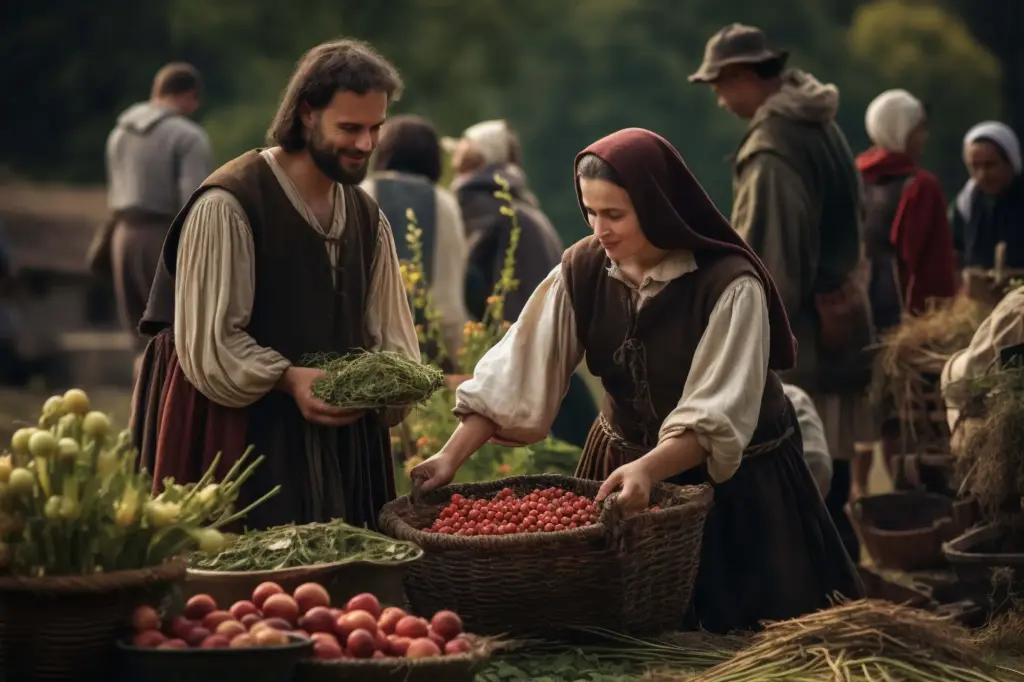
Weekend stalls in valley towns brim with greens, cheese, and still-warm bread. Some farms sell from porches, trusting honesty boxes and neighbors. Arrive early, ask what is tasting best, and plan meals around those answers. Expect changes with weather and festivals. Carry a small cooler, practice a few local greetings, and you will collect not just ingredients but also invitations, shortcuts, and the kind of advice maps forgot to include.
Foraging Etiquette and Safety
Harvest lightly, leave roots when possible, and avoid roadside patches that drink exhaust. Learn a few poisonous lookalikes before chasing mushrooms, and always confirm identifications with experienced locals. Respect limits set to protect habitats and wildlife. Take only what you will cook the same day, then share a portion or a story with someone who taught you something. The forest remembers gentle hands, and meals somehow taste more grounded, kinder.
Dining and Stays Worth the Detour
Seek modest gostilnas where menus mirror the morning’s deliveries, and mountain huts where stews welcome wind-chilled hikers. In Kobarid, a celebrated kitchen has shown how local ingredients travel brilliantly onto global stages without losing their quiet soul. Book early, arrive curious, and thank the staff generously. Whether you splurge or keep it simple, let landscapes choose your plates, and carry home a few ideas to keep the journey alive.
A Week of Seasonal Suppers

Plan dinners around market finds: nettle risotto brightened with lemon early in spring, zucchini stew with barley when gardens overflow, mushrooms on toast in autumn fog, slow cabbage and beans when snow comes. Balance freshness with a reliable pot of broth. Keep waste minimal and creativity high by swapping ingredients sensibly. Report back with tweaks, substitutions, and triumphs, so we can crowdsource wisdom that outlasts a single harvest cycle.
Build a Peak Pantry

Stock buckwheat flour, pearl barley, dried beans, a jar of fermented turnip or sauerkraut, dried porcini, mountain honey, juniper berries, good vinegar, and a hard, nutty cheese. Add spruce tip syrup when you can. With these, quick meals feel anchored to ridgelines rather than rushed. Label jars, rotate often, and reserve one shelf for experiments. Share your pantry photo and favorite pairings; we will feature clever ideas in upcoming notes.
Host a Story-First Supper Club

Invite friends to bring a dish inspired by altitude, pasture, or river, along with a short story about a landscape they love. Set the table with rough linen, candles, and a thermos of herb tea. Between bites, trade tips about fermenting, responsible foraging, and travel etiquette. Capture one lesson from each guest, then post highlights in the comments. The conversation becomes a map, and everyone leaves carrying a new path.
All Rights Reserved.